
Water near the fireplace is a household problem
A brown patch on the ceiling looks like a cosmetic job. Around a fireplace it rarely is. Water that gets into a chimney soaks the plaster beside it, rusts the damper and the firebox lintel, softens the wood framing and feeds mould in the wall cavity. In a house with a baby, an older parent or anyone with asthma, damp walls and a musty smell near the place the family sits every evening deserve a prompt look.
Hardwick Chimney Experts traces and repairs chimney leaks in La Mirada and the surrounding cities. This post explains our published range, what pushes a job up or down within it and the safety items we check while we are there.
Our leak repair range
Finding and stopping a chimney leak is $580 to $3,500 on our price list. That is a wide spread because the word leak covers anything from one cracked seal to water coming in at three places at once.
The low end usually means one clear entry point, such as a gap where the metal flashing meets the brick, that can be fixed in a single visit. The high end means several entry points working together, or water that has been getting in long enough to damage brick, framing or the ceiling below.
Where the water usually gets in
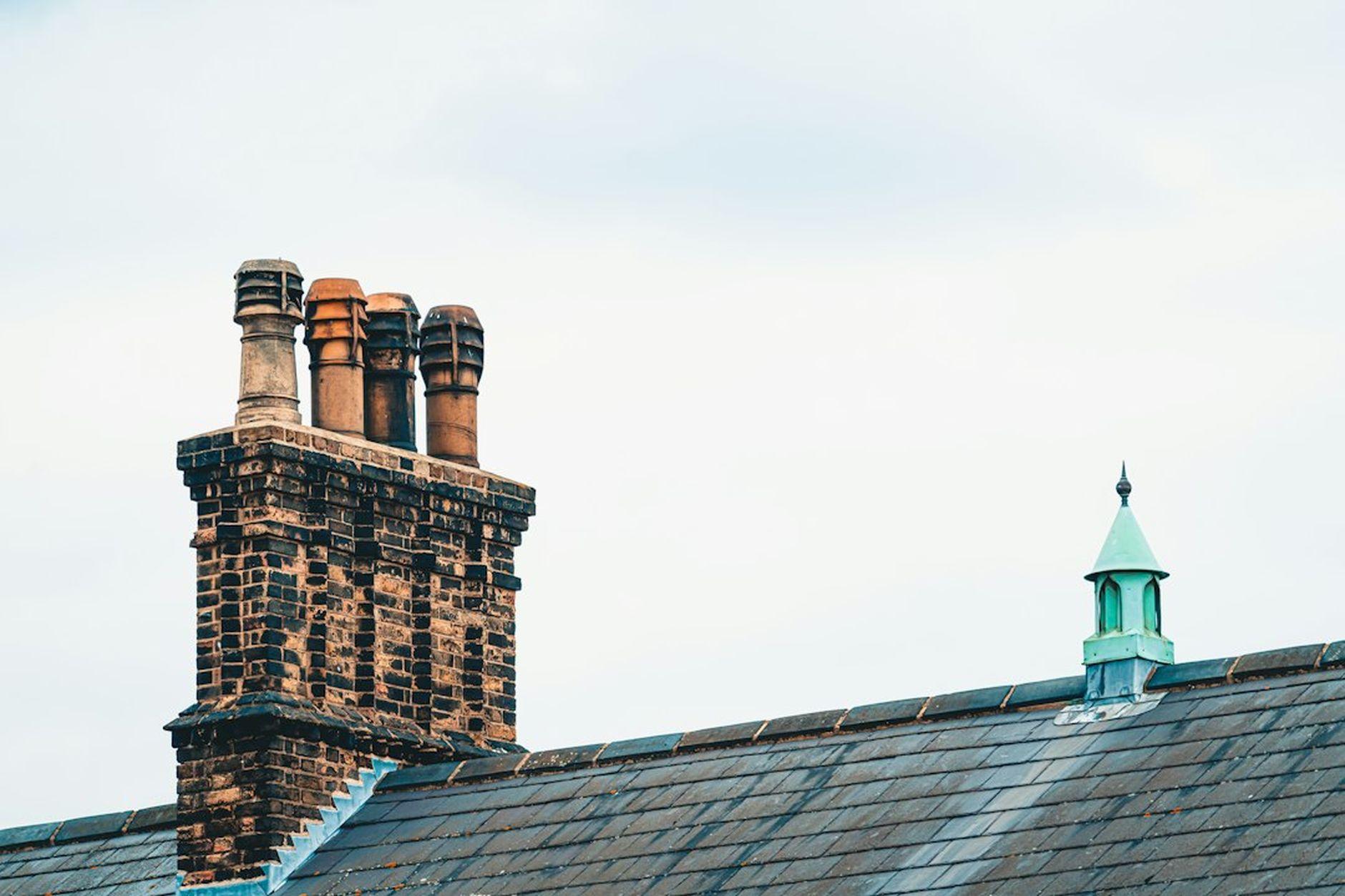
On the chimneys we see around La Mirada, water tends to come from one or more of these:
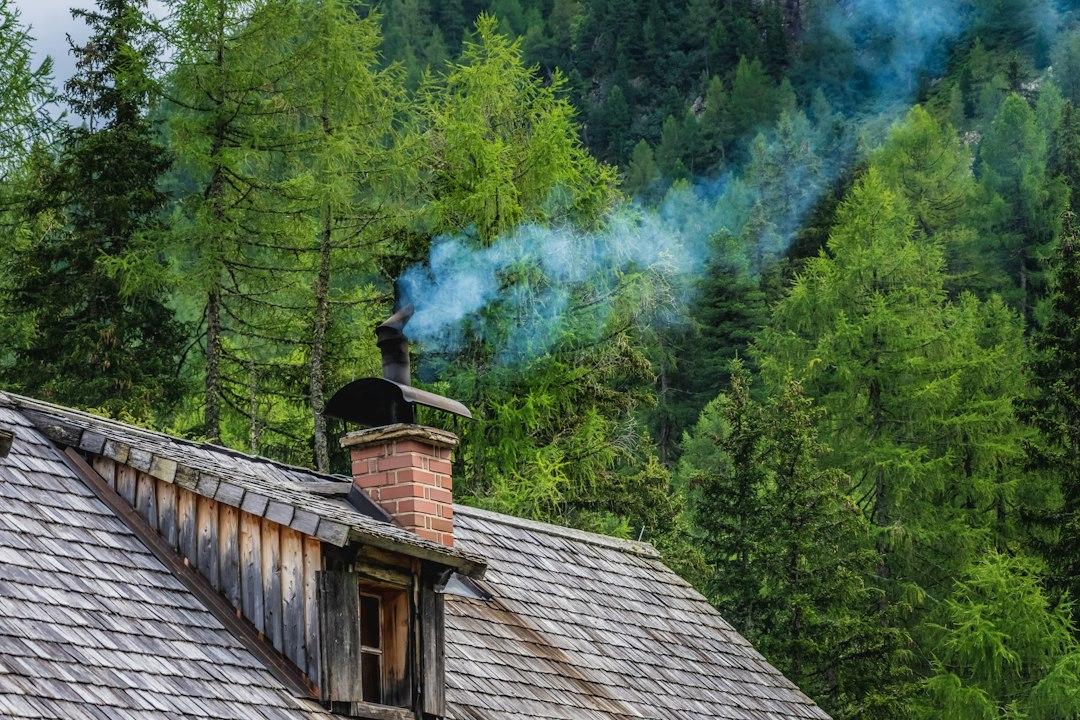
- The top. No cap over the flue, or a cap that has rusted out, so rain falls straight in.
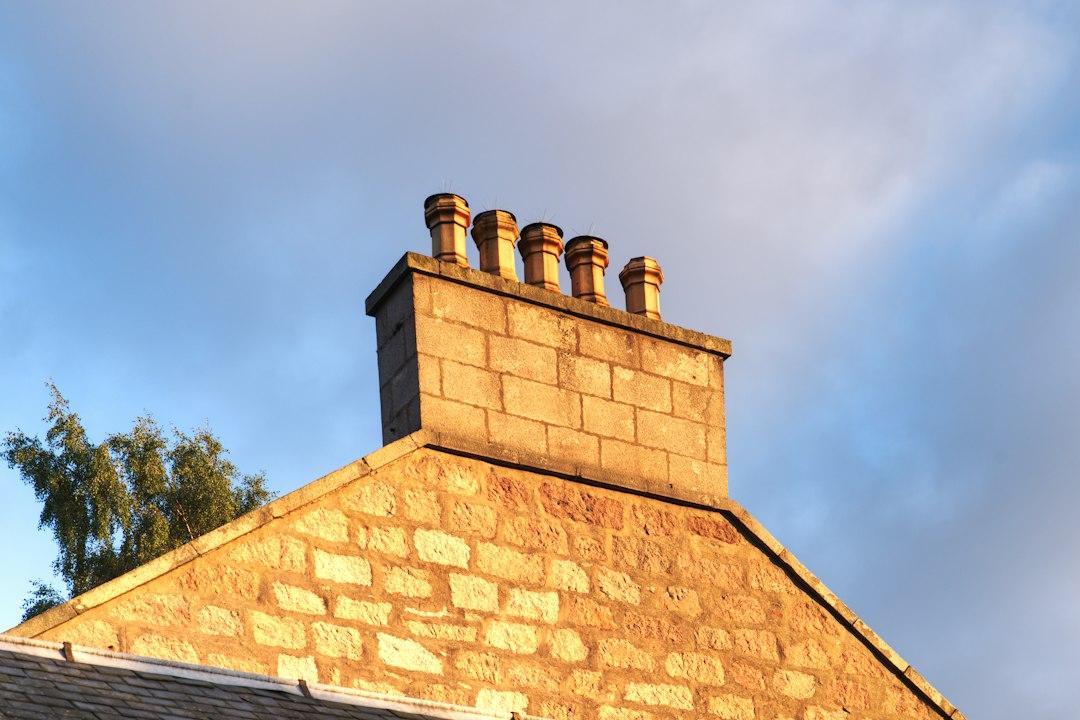
- The concrete slab at the top of the brick. Cracks in it let water into the masonry below.
- The metal seal at the roofline. Lifted, rusted or patched with sealant that has dried out.
- The brick and mortar themselves. Worn joints and porous brick soaking up driven rain.
- The roof behind a wide chimney. Water and leaves gather on the uphill side and work under the shingles.
Most of these are invisible from the ground, and the stain inside often shows up some distance from the actual entry point. That is why we trace before we price.
Related fixes and their prices
When the source turns out to be one of these, the published figures are:
| Repair | Our price |
|---|---|
| Small peaked diverter on the roof behind the chimney | $465 to $1,050 |
| That diverter plus all-new metal at the roofline | $700 to $1,750 |
| Rain and spark top over the flue, fitted | quoted after we measure |
| Tracing and stopping the leak itself | $580 to $3,500 |
Crown rebuilds, flashing work on its own and water repellent treatment do not have a fixed figure on our list, since they depend on the size and state of the chimney. We write those up on paper once we have been on the roof, before any work starts.
What decides the price on your house
Four things settle where your job lands:
1. How many entry points there are. One is common; two or three are not unusual on older chimneys. 2. How long the water has been coming in. A fresh leak is cheaper than one that has rotted the framing or crumbled the brick. 3. The roof. A steep or tiled roof slows the work and needs more care. 4. The height and width of the chimney. More brick and more roofline means more to seal.
To start, use the form at the top of this page. Tell us where the water shows indoors, roughly when it began and whether you have noticed rust on the damper or flaking in the firebox. We may ask a few more questions on the call, then book the visit to trace it.
Safety checks during a leak visit
Because water and fire meet at the fireplace, we use a leak visit to look at the things that affect the household:
- the damper, which can rust shut and trap smoke, or rust open and let cold air and rain in
- the firebox lintel, a steel bar over the opening that weakens as it rusts
- any electrical outlet or wiring in the wall next to the chimney breast
- loose ceiling plaster that could fall on a sofa or a play mat
- signs of mould in the wall cavity or attic
- the cap's mesh, which also keeps birds and rodents out of the flue
Each finding goes on the report with a photo. If the fireplace should not be used until the repair, we say so plainly.
Rain in this part of the county
Southern California does not get much rain, but most of it comes in a handful of winter storms, often wind-driven. A chimney can stay dry for months and then let in a lot of water over one weekend. That is why leaks here often seem to come and go, and why owners sometimes put off the repair until the next storm reminds them.
The dry months are the easier time to fix it. Mortar and sealants cure better without rain on the way, the roof is safer underfoot, and a damp wall has a chance to dry out before anyone paints it. A leak traced in late summer is usually closed up before the family starts lighting fires again.
Read more
For detail on the separate jobs, see our pages on chimney leak repair, crown repair, flashing repair, cap installation and waterproofing. If the leak showed up on a home inspection during a sale, the up to code repairs page explains how we handle those reports. A yearly fireplace inspection is the simplest way to catch water early.
Getting it traced
A leak gets worse with each storm, so start on our contact page. Tell us where the stain is and we will set up a visit to find its source.
Want a Hardwick Visit?
Hardwick Chimney Experts checks the fireplace with the people at home in mind and marks each finding safe, watch or stop. We visit La Mirada, Norwalk, Santa Fe Springs, Fullerton and the cities around them.