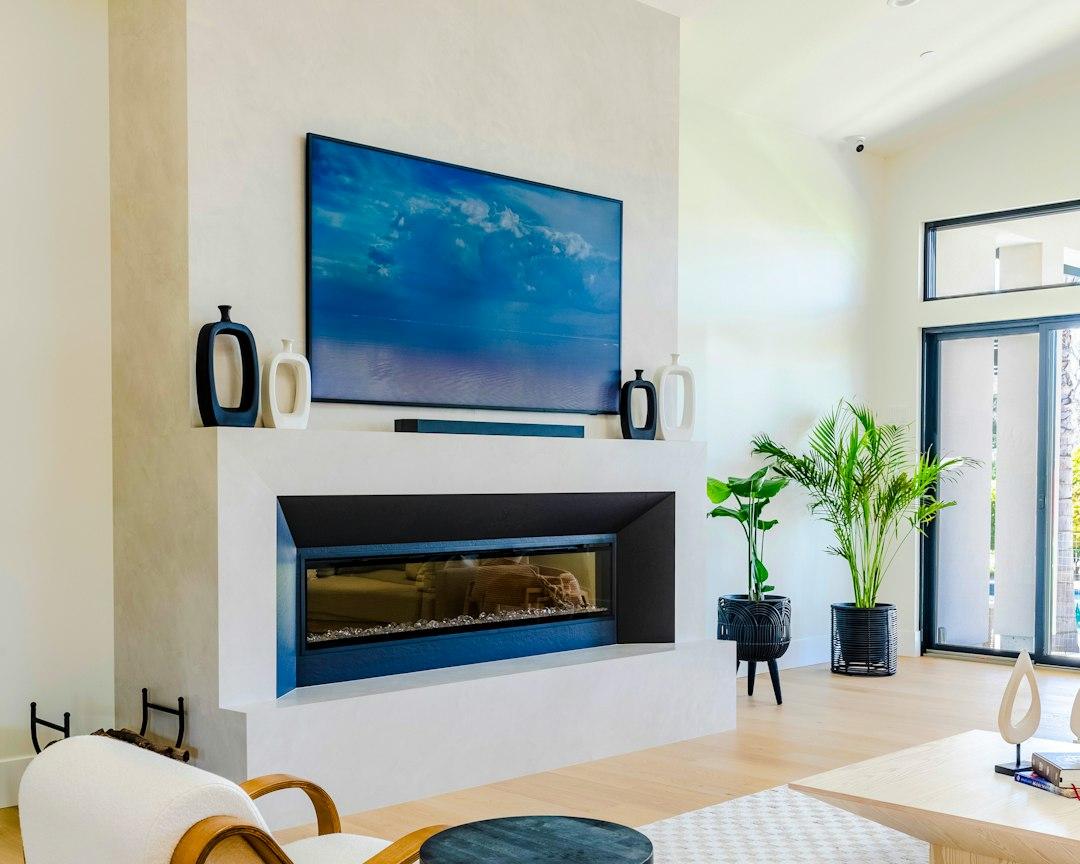
The question behind the question
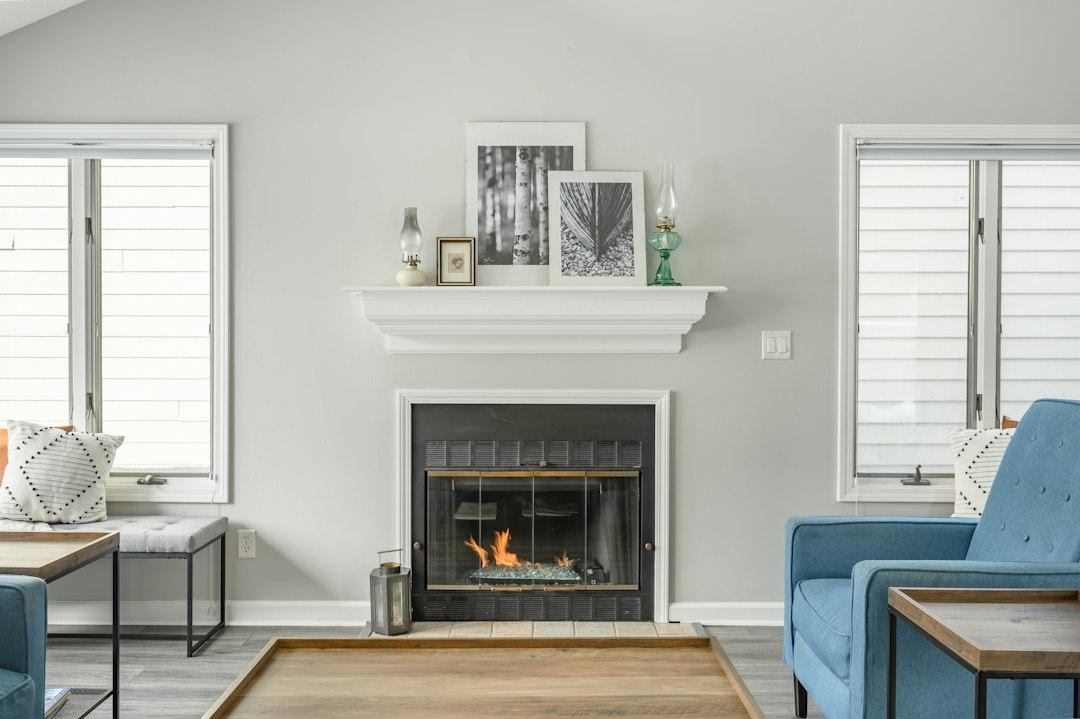
Parents rarely ask us whether gas is better than wood. They ask whether the fireplace is safe with a new baby in the house, or whether Grandma can manage it on her own when she stays over. The answer depends on the fireplace you have, how you use it and who is around it. For many families in La Mirada, the honest comparison is between keeping the open wood fire and fitting a sealed gas insert into the same opening.
Hardwick Chimney Experts installs inserts and services open fireplaces, so we have no reason to push either. This post lays out how they differ for a household, what an insert costs and what decides the price.
Side by side
| For the household | Open wood fire | Gas insert |
|---|---|---|
| Lighting | Matches, kindling, someone tending it | A switch, a remote or a wall control |
| Sparks and rolling logs | Possible; the screen does the work | None; the burner sits behind glass |
| What a child can touch | Screen, doors, hot brick, tools | Hot glass and the frame around it |
| Smoke and ash in the room | Some, every time the doors open | None in normal use |
| Air quality rules | Can be barred on no-burn days | Gas use carries on as normal |
| Regular care | Sweeping, ash removal, cleaning | Yearly service of burner, pilot and vent |
Neither column is free of risk. An insert removes sparks, ash and smoke from the room, but its glass gets hot enough to burn within minutes of lighting. An open fire stays a little wild no matter how good the screen is, but its heat is easier for an adult to see and feel.
The safety features worth asking about
If you go the gas route, ask about these before choosing a model:
- A barrier screen. A fine mesh panel that sits in front of the glass and keeps fingers and noses off it. Many current models include one; on others it is an option worth paying for.
- A child lock on the remote or wall switch. Some controls can be locked so a button press does nothing.
- A thermostat or timer. Useful for an older relative who might nod off with the fire on.
- Sealed combustion. Most modern inserts take outside air for the flame and send the exhaust up a liner, so the fire does not draw on the air in the room.
- Where the valve and controls live. Low panels can tempt a toddler; we can talk through what the model you like looks like up close.
And whichever you choose, a carbon monoxide alarm belongs on every sleeping floor.
What an insert costs
On our price list a gas insert set into a fireplace you already have, fitted and running, is $2,900 to $5,800. Three things move a job within that range:
1. The size and shape of the firebox. A wide or shallow opening narrows the choice of units and may need a larger surround. 2. The liner run. The exhaust and the fresh air travel through new pipe up the full height of the old flue, so a tall chimney costs more than a short one. 3. The gas supply. A line already at the hearth keeps the cost down; running a new one from the meter or a distant branch adds work.
If the fireplace sits on an inside wall with no usable flue, or you want a fire somewhere new altogether, that is a direct vent unit on our list at $4,650 to $9,300, which vents through an outside wall.
Before we can narrow the range for your house, we need to see the opening and the flue. Send the form at the top of this page with a note on the room, the wall the fireplace sits on and whether gas already reaches the hearth, and we will arrange a measuring visit.
When keeping the wood fire makes sense
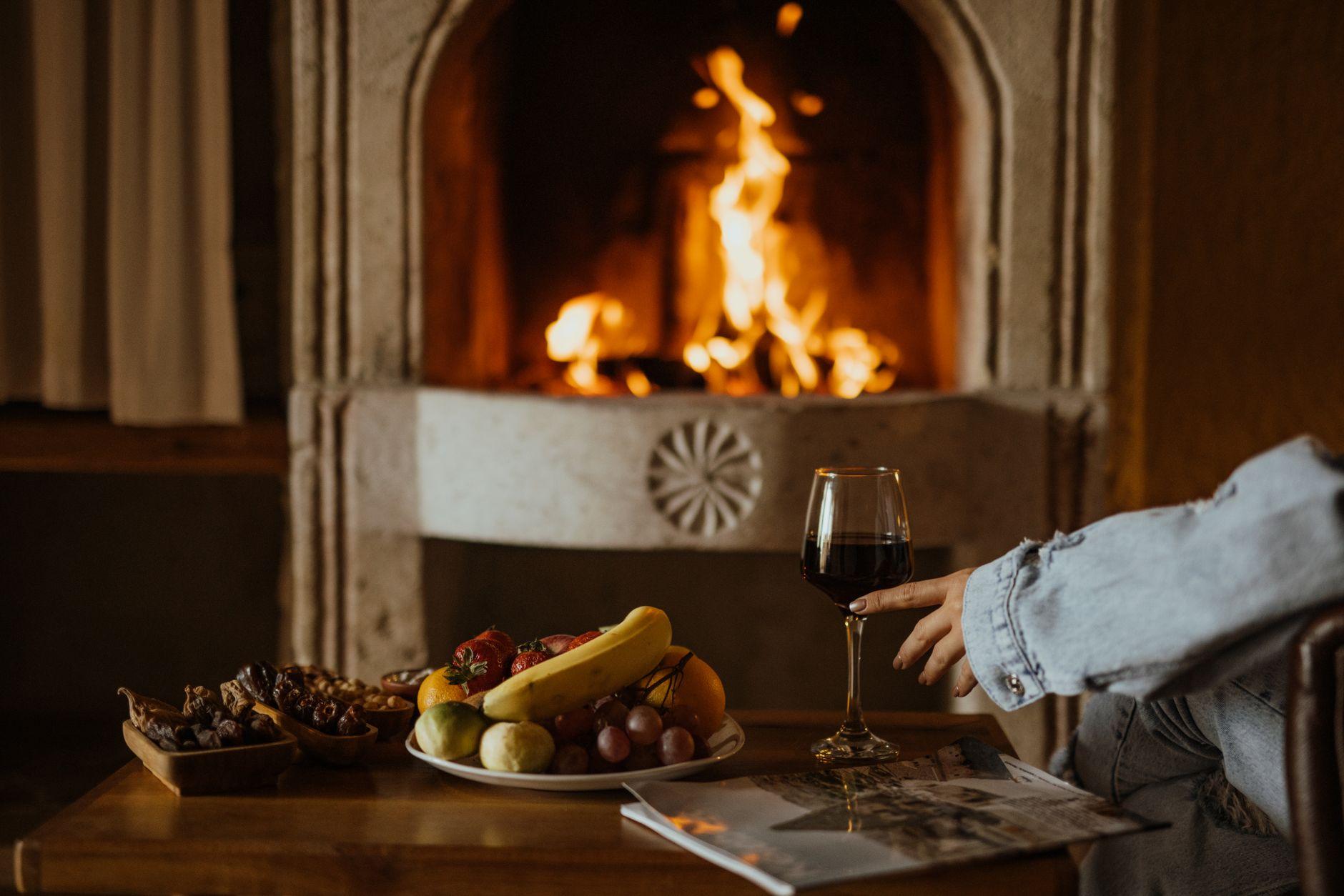
An insert is not the right answer for everyone. If the household loves a real wood fire on a few winter nights, the children are past the grabbing age and the chimney is sound, a good screen, working doors and a yearly sweep may be all you need. We would rather say that than sell an insert the family does not want.
For an older relative who stays over, the deciding detail is often simpler than safety ratings. Can they light it, turn it down and shut it off without bending to the hearth or handling a poker? A wall switch at hand height answers that better than any screen. For a family whose children are still small, the question is who can reach the controls and how long the glass stays warm after the evening ends.
What does not make sense is keeping an open fire with a cracked flue, doors that do not latch or a screen with holes. If that describes your fireplace, start with a fireplace inspection and decide after you have the report.
No-burn days in La Mirada
La Mirada falls under the South Coast air district, which may ban wood burning on certain winter days when the air is poor. Gas fireplaces are not affected. For some families that alone settles it: the nights they most want a fire are often the nights wood is off limits.
Where to read more
The detail on each option is on our fireplace inserts, gas log and gas fireplace repair pages. If you already have a gas fireplace that is misbehaving, hiring for gas fireplace repair covers what a good repair visit should include.
Talking it through
If you are weighing the two for your own living room, start on our contact page. Tell us who lives in the house and how you like to use the fire, and we will come and look at the opening with you.
Want a Hardwick Visit?
Hardwick Chimney Experts checks the fireplace with the people at home in mind and marks each finding safe, watch or stop. We visit La Mirada, Norwalk, Santa Fe Springs, Fullerton and the cities around them.